Blog Contents
ToggleImagine a time when lamps glow brighter, homes resonate with mantras, and the air carries the fragrance of devotion that’s Navratri.
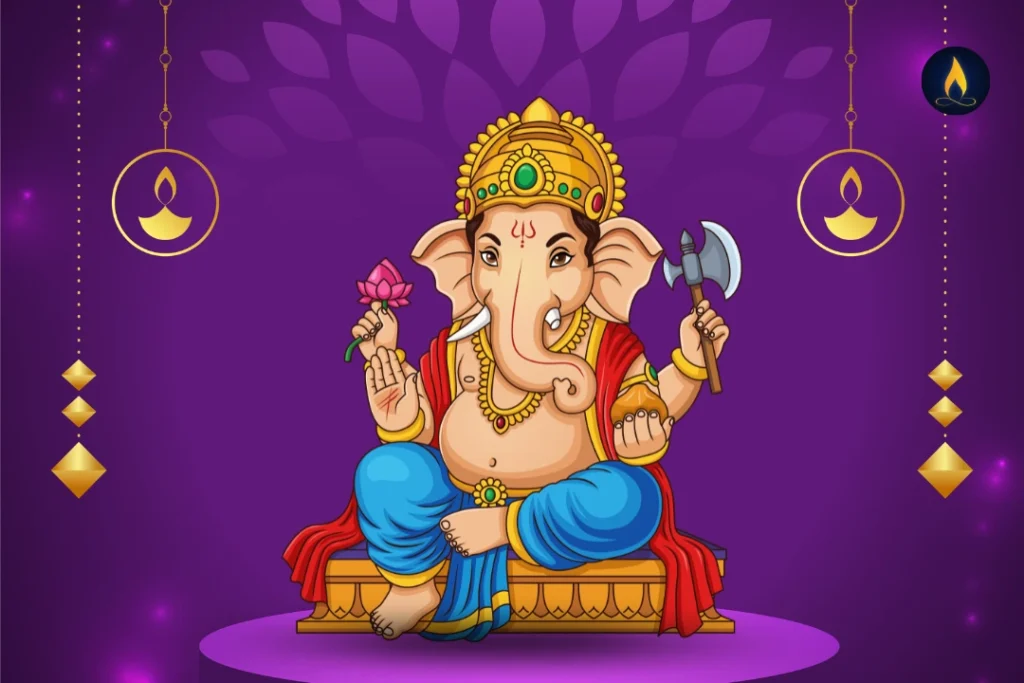
Derived from the Sanskrit words “nava” (nine) and “ratri” (nights), this sacred festival is celebrated across India and Nepal with immense devotion to Goddess Durga, who represents Shakti the universal energy that destroys negativity and restores balance.
Navratri comes four times a year, but Sharad Navratri (September–October) is the grandest and most celebrated.
Why Navratri Is Celebrated for Nine Days
According to the Devi Mahatmya and Markandeya Purana, the nine nights symbolize the victory of good over evil, when Goddess Durga defeated the demon Mahishasura after nine days of fierce battle.
Spiritually, these nine nights represent the inner purification journey from tamas (ignorance) to rajas (activity) to sattva (purity). Each night helps devotees transcend one aspect of ego and awaken divine consciousness.
The Nine Forms of Goddess Durga (Navadurga)
Each day of Navratri honors one form of Durga, known as Navadurga. Worshipping all nine ensures complete spiritual and emotional balance.
| Day | Goddess | Form | Symbolism |
| 1 | Shailaputri | Daughter of the Himalayas | Strength & devotion |
| 2 | Brahmacharini | The seeker of wisdom | Penance & perseverance |
| 3 | Chandraghanta | Warrior goddess | Courage & protection |
| 4 | Kushmanda | Creator of the universe | Radiance & vitality |
| 5 | Skandamata | Mother of Kartikeya | Motherly compassion |
| 6 | Katyayani | Slayer of Mahishasura | Fierce righteousness |
| 7 | Kalaratri | Dark form of Durga | Destruction of ignorance |
| 8 | Mahagauri | Goddess of purity | Calmness & forgiveness |
| 9 | Siddhidatri | Giver of Siddhis | Spiritual fulfillment |
Navratri Colors and Their Significance
Every day of Navratri is associated with a color symbolizing the mood and energy of that goddess:
- Day 1 – Orange: Enthusiasm and energy
- Day 2 – White: Peace and purity
- Day 3 – Red: Courage and love
- Day 4 – Royal Blue: Strength and prosperity
- Day 5 – Yellow: Joy and brightness
- Day 6 – Green: Growth and harmony
- Day 7 – Grey: Balance and transformation
- Day 8 – Purple: Ambition and spiritual awakening
- Day 9 – Peacock Green: Enlightenment and new beginnings
Devotees wear these colors while performing daily pooja, adding vibrance and intention to their devotion.
Navaratri Pooja and Rituals
Each region celebrates differently, but the essence remains the same — devotion to the Divine Mother.
Key Rituals:
- Kalash Sthapana (Ghatasthapana): Symbol of Goddess Durga’s energy, placed on the first day.
- Durga Saptashati Path: Recitation of 700 verses invoking her powers.
- Fasting: Many observe satvik fasts, avoiding onion, garlic, grains, and meat.
- Kanya Poojan (Day 8 or 9): Worship of nine young girls symbolizing the nine goddesses.
Navratri Food & Fasting Guidelines 2025
During Navaratri, devotees eat simple, sattvic food to purify body and mind.
Common fasting dishes include:
- Sabudana khichdi
- Kuttu attā puri
- Singhara halwa
- Samak rice khichdi
- Fruits, milk, and herbal tea
Avoid alcohol, meat, onion, garlic, and grains. The focus is on inner discipline and gratitude.
Navaratri Mantras and Chants
Chanting Navratri mantras elevates spiritual vibrations. Some powerful ones are:
- Durga Mantra: “Om Dum Durgayei Namah”
- Navadurga Mantra: “Ya Devi Sarvabhuteshu Shakti Rupena Samsthita”
- Katyayani Mantra (for marriage blessings):
“Om Katyayani Maha-Maye Maha-Yoginyadheeshwari |
Nandgop Sutam Devi Patim Me Kurute Namah ||”
Click here to Book Your Personalized Kundali Session with Our Expert Vedic Astrologer
Navratri Creative Art & Decoration Ideas
From vibrant Rangoli patterns to handmade dandiya sticks, Navaratri encourages creative expression as an act of devotion.
Here are some ideas:
- Durga Mata altar decoration: Use red and yellow fabrics with marigolds.
- Eco-friendly clay idols and diya decor for pooja corners.
- Rangoli art with turmeric, rice powder, and flower petals.
- Garba corner décor using fairy lights and mirrors.
These acts of creativity transform homes into sacred, joyful spaces.
10 Interesting Facts about Navratri
- Navaratri is celebrated four times a year, but Sharad Navratri is the most prominent.
- It marks the beginning of winter and the harvest season.
- Each night corresponds to one form of Shakti.
- In Gujarat, it’s celebrated through Garba and Dandiya Raas.
- In Bengal, it culminates in Durga Puja and Vijaya Dashami.
- Nepal celebrates it as Dashain.
- The festival promotes inner purification and self-discipline.
- The nine days correspond to the nine planets, each governed by a goddess.
- Goddess Durga’s weapons symbolize divine powers within every human.
- The tenth day, Vijaya Dashami, signifies the triumph of dharma.
The Spiritual Essence of Navratri
Beyond rituals, Navratri is a call to awaken the divine feminine within — Shakti that gives courage, wisdom, and compassion.
It reminds us that when darkness seems overwhelming, faith and devotion can bring the brightest dawn.
Join Us on Tiktok and Instagram Now.
FAQs
1. Why is Navratri celebrated for nine days?
Navratri is celebrated for nine nights to honor the nine forms of Goddess Durga (Navadurga). According to scriptures, it symbolizes the cosmic battle between good and evil, representing the victory of Goddess Durga over the demon Mahishasura. Each day purifies one aspect of human nature and invokes divine energy.
2. What are the nine goddesses worshipped during Navratri?
The nine forms are — Shailaputri, Brahmacharini, Chandraghanta, Kushmanda, Skandamata, Katyayani, Kalaratri, Mahagauri, and Siddhidatri. Each goddess embodies a distinct virtue, guiding devotees toward strength, wisdom, and inner purity.
3. What food can we eat during Navratri fasting?
During Navratri fasts, devotees consume satvik food like fruits, milk, nuts, sabudana khichdi, kuttu puri, and singhara halwa. Onion, garlic, grains, and non-vegetarian foods are avoided to maintain spiritual discipline and purity.
4. What do Navratri colors signify?
Each day of Navratri has a dedicated color representing a unique energy — from orange (enthusiasm) and white (peace) to green (growth) and purple (ambition). Wearing these colors while praying aligns devotees with the goddess’s divine vibration.
5. How is Navratri celebrated across India and Nepal?
In Gujarat, people celebrate with Garba and Dandiya Raas; in Bengal, it culminates as Durga Puja; in Nepal, it’s observed as Dashain. Despite regional variations, the essence is the same — devotion to the Divine Mother and the triumph of light over darkness.