Blog Contents
ToggleOn May 17, 2026, the Hindu calendar does something it does only once every three years. It adds an entire extra month. Not a day. Not a week. A full month, 30 days that sit completely outside the usual rhythm of festivals, ceremonies, and milestones. This month is called Adhik Maas, and if you have never paid attention to it before, 2026 is the year to start. Because whether you observe it or ignore it, it will quietly shape your calendar, shift your festival dates, and, for those who know what to do with it, offer a window for spiritual progress that will not come again until 2029.
Adhik Maas 2026 Quick Facts
- Start Date: May 17, 2026
- End Date: June 15, 2026
- Also Called: Purushottam Maas
- Best For: Fasting, charity, spiritual growth
- Avoid: Marriage, new business, major purchases
What is Adhik Maas?
Adhik Maas, also known as Purushottam Maas or Mal Maas, is an extra lunar month added to the Hindu calendar once every two to three years. The name itself is self-explanatory. Adhik means extra or additional. Maas means month. So Adhik Maas is simply an additional month inserted into the calendar.
It exists because of a quiet astronomical imbalance between two ways of measuring time.
The Hindu calendar follows the Moon. A lunar year has approximately 354 days. The solar year, the one that governs our seasons, agricultural cycles, and the Gregorian calendar, has 365 days. That creates a gap of roughly 11 days every year. The gap does not disappear. It accumulates. After about 32 to 33 months, the accumulated difference reaches nearly a full month. And when it does, the Hindu calendar inserts an extra month to bring itself back into alignment with the solar year.
This is why Hindu festivals like Tihar, Navratri, and Holi stay in their correct seasons year after year. Without Adhik Maas, they would slowly drift across the calendar the way Islamic festivals do, appearing in different seasons each decade.
Think of Adhik Maas as the Hindu calendar’s version of a leap year, except instead of adding one extra day every four years, it adds an entire extra month every three years.
Adhik Maas 2026: Exact Dates
Adhik Maas 2026 Start Date: Sunday, 17 May 2026 Adhik Maas 2026 End Date: Monday, 15 June 2026
In 2026, Adhik Maas falls in the month of Jyeshth. This means Jyeshth appears twice in 2026. The first Jyeshth is the extra one, called Adhik Jyeshth or Pratham Jyeshth. The second is the original, called Nija Jyeshth or Dwitiya Jyeshth.
This makes 2026 a 13-month year in the Hindu lunar calendar.
Important Dates Within Adhik Maas 2026
| Date | Tithi / Event | Significance |
| 17 May 2026 | Adhik Maas begins (Krishna Paksha starts) | Start of the sacred month |
| 26 May 2026 | Ekadashi | Best day for fasting and Vishnu worship |
| 31 May 2026 | Purnima (Full Moon) | Most powerful day for charity, holy bath, and vrat |
| 10 Jun 2026 | Ekadashi | Second major fasting day within the month |
| 11 Jun 2026 | Dwadashi | Ideal for completing Ekadashi fast with Vishnu puja |
| 15 Jun 2026 | Adhik Maas ends | Month closes quietly |
Note: Exact tithi timings may vary slightly by city based on local sunrise and moon calculations.
Adhik Maas Dates: Past and Upcoming Years
| Year | Hindu Month (Adhik) |
| 2015 | Ashwin |
| 2018 | Jyeshth |
| 2020 | Ashwin |
| 2023 | Shravan |
| 2026 | Jyeshth |
| 2029 | Chaitra |
| 2031 | Bhadra |
| 2034 | Ashada |
| 2037 | Jyeshth |
| 2039 | Ashwin |
| 2042 | Shravan |
| 2045 | Jyeshth |
The Astronomy Behind Adhik Maas: Why There Is No Surya Sankranti
To understand why Adhik Maas is treated differently from other months, you need to understand one key astronomical concept: Surya Sankranti.
In the Hindu calendar, every lunar month is anchored to the Sun transitioning from one Rashi sign to another. That solar transition is called Surya Sankranti, and it happens once in every regular lunar month. It gives each month its cosmic identity and makes it suitable for the rituals and ceremonies associated with it.
During Adhik Maas, the Sun does not transition into a new Rashi. The entire month passes while the Sun remains within one Rashi sign. There is no Surya Sankranti. This is why the month is considered to lack the solar anchor that every other month has, and why it is not considered appropriate for ceremonies that depend on solar alignment.
This is also why the 27 Nakshatras take on special importance during Adhik Maas. Since solar anchoring is absent, the Moon’s position in the Nakshatras becomes the primary guide for identifying auspicious moments within the month.
The Story of Purushottam Maas: Why Lord Vishnu Accepted This Month
There is a story from the Padma Purana that is essential to understanding Adhik Maas.
When this extra month first appeared in the Hindu calendar, no deity agreed to govern it. Every one of the twelve months has a presiding god. But this additional month, born outside the regular cycle, carrying no Surya Sankranti, was considered irregular and impure. The deities called it Mal Maas. No one would claim it.
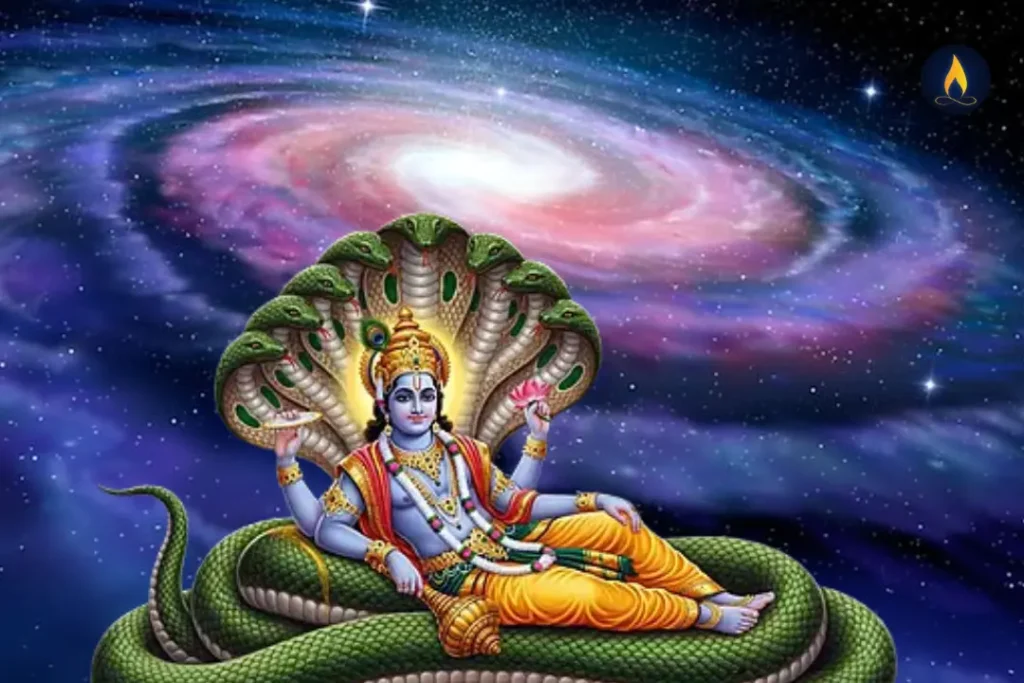
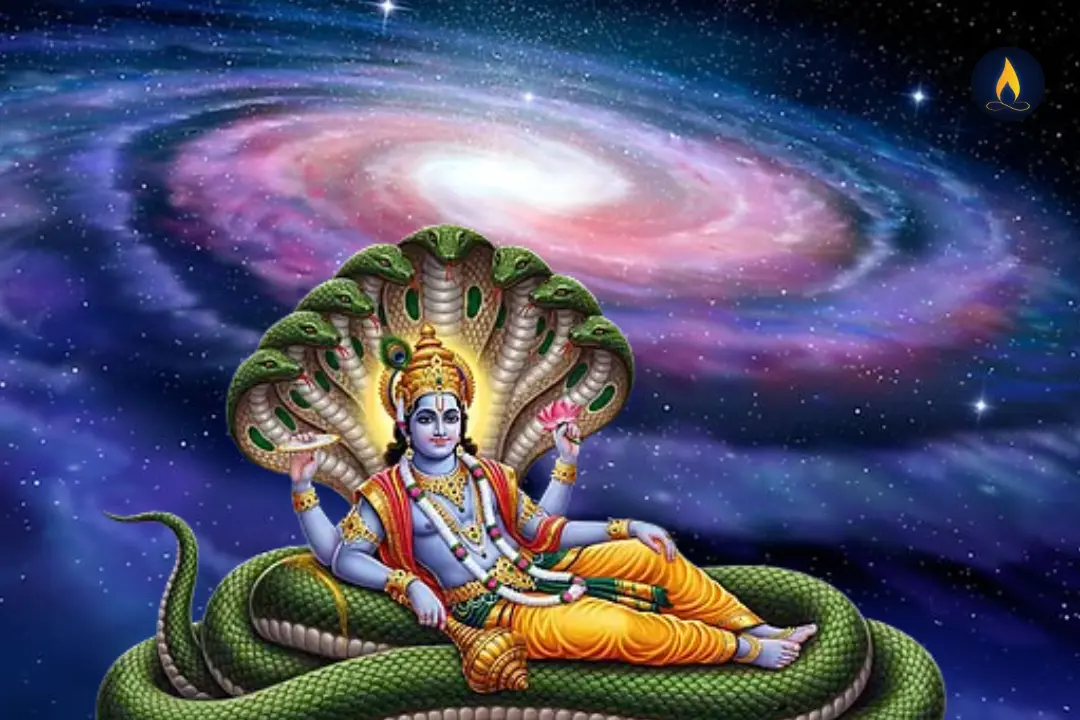
The extra month, feeling utterly rejected, went to Lord Vishnu. It presented its situation with humility and sincerity: it had no lord, no protector, no identity. Vishnu, moved by its surrender, accepted it. He gave the month his own divine name, Purushottam, one of his most sacred titles, meaning the Supreme Person. He declared that this month would be under his personal protection. And he blessed it: every act of worship, fasting, charity, and spiritual practice done during this month would carry merit many times greater than the same act done in any ordinary month.
That blessing transformed everything. From an unwanted, rejected month, Adhik Maas became Purushottam Maas, the month most directly governed by Lord Vishnu himself.
Is Adhik Maas Inauspicious?
This is the most searched question about Adhik Maas, and the answer is not as simple as yes or no.
For worldly and material activities: yes, this month is not considered favourable.
Marriages, housewarmings, new business ventures, property purchases, naming ceremonies, and other life milestones are traditionally avoided. This is a recognition that Adhik Maas sits outside the solar cycle that gives regular months their ritual authority.
For spiritual practice, worship, fasting, charity, and inner work: this month is extraordinarily auspicious.
Classical texts including the Padma Purana, the Skanda Purana, and the Vishnu Purana all describe Adhik Maas as one of the most rewarding periods in the entire calendar for spiritual effort. The merit earned during this month is described as multiplied many times compared to the same action in an ordinary month.
Adhik Maas is not a bad month. It is a month that is not aligned with outward progress. It is aligned inward.
What to Do in Adhik Maas 2026: Complete Guide
Fasting (Vrat) During Adhik Maas
Fasting is the most commonly observed practice during Adhik Maas. You do not need to observe every option below, even one done sincerely carries real spiritual value.
Full month vrat: The observer eats only one satvik meal per day throughout the entire month. No non-vegetarian food, no alcohol, no onion or garlic.
Nirjala (waterless) fast on specific days: Observed on Ekadashi or Purnima with no food or water. Only appropriate for those in good health.
Phalahara fast (fruit and milk only): For those who cannot manage a single-meal fast. Fruits, milk, and dry fruits are permitted throughout the day.
Specific day fasts: Fasting on Ekadashi (both occurring within the month) and Purnima (31 May) without committing to the full month. The most accessible option for working people.
Single day fast: Even one sincere day of fasting within Adhik Maas is considered spiritually meaningful and explicitly valid in classical texts.
If you have health conditions, are pregnant, elderly, or a child: You are not required to fast in a way that harms the body. Eating simply and satvik food, reducing unnecessary activities, and maintaining a prayerful attitude is a complete and valid observance.
Daily Worship and Fasting Routine
For those observing a formal vrat, here is a practical daily structure:
Morning (Brahma Muhurta: 4 to 6 AM): Wake early. Take a bath before sunrise. If a river, lake, or natural water source is nearby, a holy bath there carries additional benefits.
Puja and chanting: Set up a clean puja space. Light a ghee diya in front of Radha-Krishna or Lakshmi-Narayan. Offer Tulsi leaves, lotus, or roses. Chant Om Namo Bhagavate Vasudevaya 108 times or recite Vishnu Sahasranama.
Scripture reading: Read from the Bhagavad Gita or Srimad Bhagavatam. Even a few verses daily is enough.
Daytime conduct: Eat only satvik food. Avoid unnecessary conflict and entertainment that pulls the mind outward.
Evening: Light an Akhanda Deep (continuous ghee lamp) if possible. Offer prayers. Perform charitable giving if you have committed to daily daan.
Charity and Donation (Daan)
Daan during Adhik Maas is given extraordinary importance in classical texts. Charity performed during this month is believed to remove accumulated karmic weight and bring blessings that carry forward for many lifetimes.
Common forms of daan during Adhik Maas: donating cooked food or grains to the poor, donating white items (rice, milk, white cloth), offering Deep Daan (oil lamps) at temples, donating clothing (Vastra Daan), sponsoring food distribution (bhandara) at temples, and any small, sincere act of giving done consistently throughout the month.
There is no minimum amount. Intention matters more than the scale of the donation.
Mantras to Chant During Adhik Maas
Om Namo Bhagavate Vasudevaya: the primary mantra of Adhik Maas. Chanted 108 times daily. This is the twelve-syllable mantra of Lord Vishnu in his Vasudeva form, most directly associated with Purushottam Maas.
Vishnu Sahasranama: the thousand names of Lord Vishnu. A full recitation once daily is the recommended practice. Listening to it is equally valid and carries the same spiritual benefit.
Hare Krishna Mahamantra: Hare Krishna Hare Krishna Krishna Krishna Hare Hare Hare Rama Hare Rama Rama Rama Hare Hare
This mahamantra requires no initiation, no ritual preparation, and no specific timing. It can be chanted anywhere, at any time, by anyone.
Pilgrimage
Visiting sacred places during Adhik Maas carries spiritual merit multiplied many times over. Mathura and Vrindavan hold the highest significance during this month, temples there organise special darshans, kirtans, Bhagwat Kathas, and Govardhan parikramas throughout the period. If travel to Mathura or Vrindavan is not possible, visiting a local Vishnu or Krishna temple, whether in Kathmandu, Pokhara, or your own town, carries the same spiritual merit during this sacred month.
What NOT to Do in Adhik Maas
Life Events and Ceremonies to Avoid
- Marriage and engagement: one of the clearest and most universally observed restrictions. Plan your wedding before 17 May 2026 or after 15 June 2026.
- Griha Pravesh (housewarming): the formal entry puja into a newly built or purchased home is avoided. If possession falls during Adhik Maas, receive the keys practically but schedule the ceremony after 15 June 2026.
- Namkaran (naming ceremony): the formal naming ritual for a newborn is postponed. The child can be named informally within the family.
- Mundan Sanskar (first haircut): the child’s first haircut ritual is avoided.
- Sacred thread ceremony (Upanayana): this significant life-stage ritual is postponed.
- Starting a new business: inaugurating a new venture or formally launching something new is traditionally avoided.
Purchases and Financial Decisions to Avoid
Buying a new house or property, purchasing a new vehicle, starting new major financial investments, and signing major long-term financial agreements are all traditionally avoided.
Essential everyday purchases, groceries, utility payments, and routine financial management are entirely fine.
Food and Lifestyle
Non-vegetarian food, alcohol, and tamasic food (onion, garlic, heavy processed or fried food) are traditionally reduced or eliminated. Cutting hair and nails is traditionally reduced unless medically necessary.
What is NOT Restricted
Birthday celebrations and wedding anniversaries are allowed. Travel is permitted, pilgrimage travel is actively encouraged. Professional work and earning continue normally. Spiritual study, creative work, art, and music are entirely appropriate. Completing ongoing projects and rituals already in progress is fine.
Adhik Maas for Working People and Families
Many people ask how to observe Adhik Maas in a modern, busy life. The classical texts themselves address this directly, full observance is not required for spiritual benefit.
Here is a practical minimum observance that any working person or family can follow:
Wake ten minutes earlier than usual. Take a bath before your morning routine. Light a ghee lamp before a Vishnu or Krishna image and chant Om Namo Bhagavate Vasudevaya ten times. Do one act of giving each week during the month, it can be small. Avoid non-vegetarian food as much as your situation allows. Fast on Purnima (31 May) and one Ekadashi if possible.
That is it. That is a complete and sincere Adhik Maas observance that any person in any life situation can follow.
The Tithis that matter most for busy people who cannot observe the full month: Purnima (31 May) and at least one Dwadashi. These two days alone, observed with intention, are considered highly meritorious.
Shraddha and Death Anniversaries During Adhik Maas
This is one of the most searched and least answered questions around Adhik Maas. Every year when an extra month arrives, thousands of families across Nepal and India face the same confusion: does the Adhik Maas shift our Shraddha date? Which pandit is correct? Do we perform it earlier or later?
Here is the clear answer.
The core rule is simple: Adhik Maas does not count when calculating your annual death anniversary.
The Shraddha, also called Varsh
ik Shraddha or Barsi, is always performed on the same lunar tithi and the same lunar month in which the person died. The extra month is invisible for this calculation. If your father’s Shraddha falls in Ashadh every year, it stays in Ashadh. The intervening Adhik Jyeshtha does not push it forward by a month.
But there are three specific situations in 2026 that families need to understand:
Situation 1: Someone died before Adhik Maas 2026: Perform the Shraddha on the exact same tithi in the exact same Hindu month as always. Do not count Adhik Maas. Do not shift the date.
Situation 2: Someone dies during Adhik Jyeshth (May 17 to June 15, 2026): Their first Shraddha next year is performed in Nija Jyeshth (the regular Jyeshth), same tithi. In most future years, Nija Jyeshth is used. Only in a year when Adhik Jyeshth recurs, approximately around 2045, would the Shraddha return to the Adhik month.
Situation 3: Your regular Shraddha tithi falls inside Adhik Maas: Do not postpone it. The Dharmasindhu is clear: Shraddha is a nitya karma, an obligatory act. It is not delayed because of the extra month. Perform it on its correct tithi even if that tithi falls within Adhik Maas.
One more thing families often miss: The Amavasya within Adhik Maas 2026, falling around May 26–27, is considered exceptionally powerful for Pitru Tarpan (water offerings to ancestors). Classical texts say ancestral rites performed on this Amavasya carry far greater merit than a regular Amavasya. Even if your annual Shraddha is months away, performing Tarpan on this date is highly recommended and spiritually significant.
When pandits give conflicting advice, ask them to reference the Dharmasindhu or Nirnayasindhu, the two classical texts that govern these decisions. Both confirm the same rules stated above.
The deeper truth is this: Adhik Maas may pause weddings and housewarmings, but it never pauses the duty to remember your ancestors. That obligation runs on its own track, untouched by any extra month.
Note: For your specific family situation, always confirm with your kulapurohit (family pandit) who knows your regional tradition.
Adhik Maas and Pitra Dosh: Why This Connection Matters
One of the most important but underlooked aspects of Adhik Maas is its connection to Pitra Dosh, a karmic pattern in the birth chart that reflects unresolved ancestral debts passed down through family lineages.
Purushottam Maas is considered one of the most powerful windows in the entire Hindu calendar for ancestral healing work. Tarpan (ancestral water offerings), charity performed in the name of ancestors, sincere prayer, and reading of sacred texts all carry amplified effect during this month.
For those who have been told they have Pitra Dosh in their kundali, Adhik Maas 2026 is a genuinely significant window that should not be missed.
It is also worth noting that in 2026, Ketu is transiting through Leo for most of the year before moving into Cancer in December. Ketu’s position in Leo during Adhik Maas heightens themes of ancestral karma, ego dissolution, and spiritual awakening, making this a particularly layered and significant combination for anyone engaged in serious karmic work.
The Quiet Truth About Adhik Maas
There is a reason this month was rejected by every other deity and accepted only by Lord Vishnu.
It does not fit neatly into any achievement cycle. It carries no festival, no major ceremony, no worldly milestone. It asks nothing impressive of you. It simply arrives and offers you thirty days that are, by divine design, meant for something other than outward progress.
In a life that rarely pauses, Adhik Maas is a month that quietly insists you do.
You do not need to fast every day. You do not need to visit Vrindavan. You do not need to perform elaborate rituals. What the month asks is simpler: a little more stillness, a little more giving, a little more attention to the part of your life that does not appear on any to-do list.
Whether you observe it with daily worship and strict fasting, or simply by lighting a lamp each morning and making one small donation each week, Adhik Maas 2026 offers the same invitation to everyone.
Slow down. Be sincere. Let this extra month be exactly what it was made to be.
Have questions about Adhik Maas or want to understand how it connects to your birth chart and current Dasha period? Talk to our astrologer for a clear, personalised consultation.
Stay Connected with Astro Parasar — All Our Links in One Place
Related Articles
- Pitra Dosha in Kundali: Meaning, Effects and Remedies
- Vrata and Fasting: Know the Difference
- Tithis in Hindu Panchang: Meaning, Types and Vedic Significance
- Nakshatras: The 27 Lunar Mansions
- Dwadashi Tithi: The Day of Renewal, Bhakti and Vishnu’s Grace
- Ketu Transit 2026: Effects, Key Dates and Rashi Predictions
FAQs
Can I get married in Adhik Maas 2026?
No. Marriage is one of the most consistently avoided ceremonies across all regional traditions. This applies to both the marriage ceremony and the engagement.
Is fasting compulsory in Adhik Maas?
No. Fasting is strongly encouraged and carries great spiritual merit, but it is never compulsory. Even simple acts, lighting a lamp daily, maintaining satvik food, one charitable act, are a complete and valid observance.
What happens if a child is born during Adhik Maas?
A child born during Purushottam Maas is considered very fortunate. Since this month is personally dedicated to Lord Vishnu, birth during Adhik Maas is seen as a divine blessing. The formal naming ceremony is traditionally postponed until after the month ends.
Is Adhik Maas good for meditation and spiritual practices?
Yes, exceptionally so. This is the most appropriate time in the entire three-year cycle for intensive spiritual practice, mantra japa, meditation, and devotional worship.
Does Adhik Maas shift my annual Shraddha date?
No. The Shraddha is always performed on the same lunar tithi and the same Hindu month in which the person died. The intervening Adhik Maas is not counted in this calculation.