Blog Contents
ToggleIn the Hindu calendar and Panchang system, Purnima is the last day of the Shukla Paksha (bright half of the lunar month). It’s the moment when the Moon is fully visible and directly facing the Sun. For centuries, this night has been linked with divine energy, emotional balance, spiritual rituals, and festivals like Guru Purnima, Buddha Purnima, and Janai Purnima.
Even though it comes monthly, Purnima’s energy is never ordinary. Let’s explore how this tithi connects with our spiritual, emotional, and astrological life
Basic Facts of Purnima
- Tithi: 15th day of Shukla Paksha
- Angle between Sun & Moon: 180° separation (complete opposition)
- Phase: Final day of the waxing Moon cycle
- Symbol: Full glowing Moon – shows completeness, fulfillment
- Vedic Meaning: “Purnima” = Fullness, wholeness, spiritual richness
- Associated Energy: Healing, creation, nourishment, inner power
This is the best day to perform puja, take fasts, spend time in devotion, and set spiritual intentions.
Purnima in Shukla Paksha – The Peak of Emotional and Spiritual Light
This phase marks completion and clarity. As the Moon is at its brightest, human emotions, mind power, and spiritual energy also reach their high point.
Dos on Purnima
- Light a diya to Chandra Dev (Moon god) in the evening
- Offer white foods like kheer, milk, rice, or sweets
- Chant Satyanarayan Katha or Vishnu mantras
- Do Chandra Namaskar or sit under moonlight for peace
- Good time to start fasting, inner sadhana, or Guru worship
Don’ts on Purnima
- Avoid loud behavior or emotional drama
- Don’t eat heavy, spicy, or tamasic food
- Avoid making quick decisions in love or money matters
- Do not disrespect elders, teachers, or women
Tip: Purnima is about softness and connection, not about speed or ego.
Sanskrit Shloka & Beeja Mantra
Traditional Shloka:
“पूर्णिमा तिथिर्भवति पुण्यदा शान्तिदायिनी ।
चन्द्रस्य प्रकाशेण दीप्तिमन्ती शुभप्रदा ॥”
Meaning: Purnima Tithi brings purity and peace through the Moon’s divine glow.
Beeja Mantra:
“ॐ सोमाय नमः”
Chant this 108 times on Purnima morning or evening for:
- Peace of mind
- Clear heart and emotions
- Removing confusion or sadness
Astrological Effects of Purnima
In Jyotish Shastra, Tithi is a key factor in Muhurta and mental condition. Purnima is connected to Chandra (Moon), the graha of feelings, relationships, and mother energy.
Positive Effects
- Best for emotional healing, family unity, Guru blessings
- Supports Japa, Daan (donation), Meditation, Sadhana
- Favors Nakshatras like Rohini, Hasta, Shravana, Revati
If Moon Is Afflicted (Dosha)
- If Moon is close to Rahu, Saturn, or Mars, it may bring:
- Mood swings, overthinking
- Trouble in early relationships or family matters
- Mood swings, overthinking
- Remedies:
- Light diya with ghee
- Avoid salty or spicy food
- Chant Moon mantra or do water donation
- Light diya with ghee
Presiding Deities of Purnima
Purnima is ruled by Chandra Dev, but many Hindu Gods are connected to this Tithi depending on the month.
Common Deities:
- Chandra Dev (Moon) – rules emotions, mind, beauty
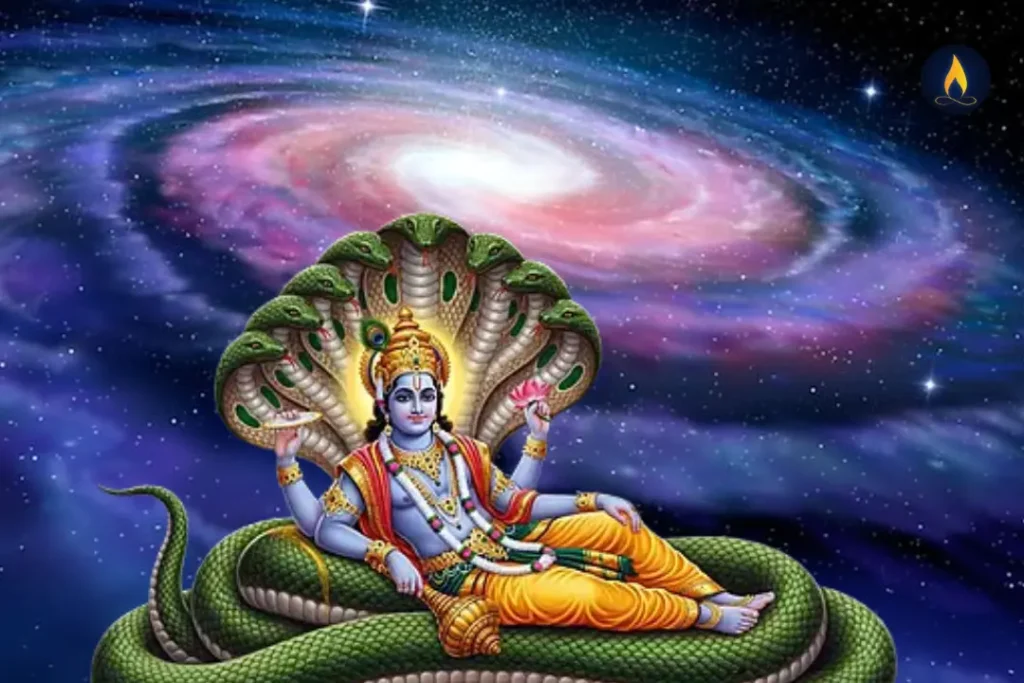
- Lord Vishnu (Satyanarayan form) – protector of dharma and harmony
- Devi Lakshmi or Shiva – on some full moons like Sharad or Kartik Purnima
Puja Items: White flowers, sandalwood, tulsi leaves, milk sweets
Spiritual Practices on Purnima
This Tithi gives powerful support to inner work. It’s not the time for noise, it’s for light rituals and heartfelt devotion.
Best Purnima Practices:
- Satyanarayan Vrat and Katha in the evening
- Chandra Snan – sitting in moonlight for peace
- Mantra Japa (especially Moon or Vishnu)
- Donate milk, rice, clothes, or money to Brahmins or the poor
- Light fasting (with fruits or milk)
Purnima is highly useful for Tantra, Bhakti Yoga, and Guru Sadhana.
Festivals Celebrated on Purnima
Purnima is not just about one event, it hosts some of the most powerful spiritual festivals.
1. Guru Purnima (Ashadha Purnima)
- Day to honor spiritual teachers
- Great for starting new mantras or joining a spiritual path
2. Buddha Purnima (Vaishakha)
- Celebrates birth, enlightenment, and Nirvana of Lord Buddha
- Also a time for silence and prayer
3. Janai Purnima / Raksha Bandhan
- In Nepal, men change sacred thread (Janai)
- Sisters tie rakhi to brothers for protection and love
4. Sharad Purnima
- Special moonlight night – Moon’s rays are said to have healing power
- Celebrated with milk sweets and night bhajan
Purnima festivals differ by region but are united by Moon’s divine grace.
Muhurta & Panchang Tips
- Best Time: Evening hours when the Moon is visible
- Combine with good Nakshatras like Anuradha, Shravana, or Hasta
- Avoid Rahu Kaal or negative Choghadiya for rituals
Use trusted Panchang apps to check local Tithi time and best Muhurta.
Key Takeaways
- Purnima = Full Moon day; the mind and emotions are full of light
- Best time for puja, sadhana, and Guru worship
- Chandra and Vishnu are the main deities to focus on
- Great festivals like Guru Purnima, Buddha Purnima, Janai Purnima fall on this day
- Avoid ego, anger, and stress; stay calm and humble
- Chant “Om Somaya Namah” for peace and balance
FAQs
Why is Janai Purnima celebrated?
Janai Purnima is the day when men, especially Brahmins and Kshatriyas, change their sacred thread (janai) as a symbol of purity, protection, and spiritual duty. It’s also the day of Raksha Bandhan, where sisters tie a rakhi to their brothers, praying for their long life, while brothers give blessings and gifts. In Nepal, this day is observed with family gatherings, feasting, and pujas.
When do we celebrate Buddha Purnima?
Buddha Purnima is observed on the full Moon of Vaishakha month (usually April–May). It marks three key events in Lord Buddha’s life—his birth, enlightenment, and death (nirvana). On this day, people visit Buddhist temples, offer flowers and prayers, practice silence, and remember the message of peace and compassion.
Which Purnima is the most auspicious?
Among all full Moon days, Guru Purnima is considered the most sacred. It’s the day to honor spiritual teachers and Gurus, express gratitude, and start serious spiritual practices. Many people begin mantra chanting, sadhana, or join ashrams on this day, seeking guidance for life’s inner path.
What should we avoid during Purnima?
On Purnima, since the mind is emotionally sensitive and the Moon is powerful, one should avoid anger, lying, gossiping, eating heavy food, or making quick emotional decisions. It’s better to stay peaceful, eat light, and focus on prayers or personal reflection.
Which God is worshipped on Purnima?
The main deity of Purnima is Chandra Dev (Moon god), who controls the mind, emotions, and beauty. On many Purnimas, Lord Vishnu in his Satyanarayan form is also worshipped through special katha and puja. Some Purnimas are also linked with Devi, Shiva, or Buddha, depending on the festival.