Blog Contents
ToggleDwadashi Tithi (द्वादशी तिथि) is the 12th day of the lunar fortnight in the Hindu Panchang. It arrives after Ekadashi, and serves as a day of completion, gratitude, and bhakti expression. Where Ekadashi is about fasting and discipline, Dwadashi is about balance, nourishment, and surrender.
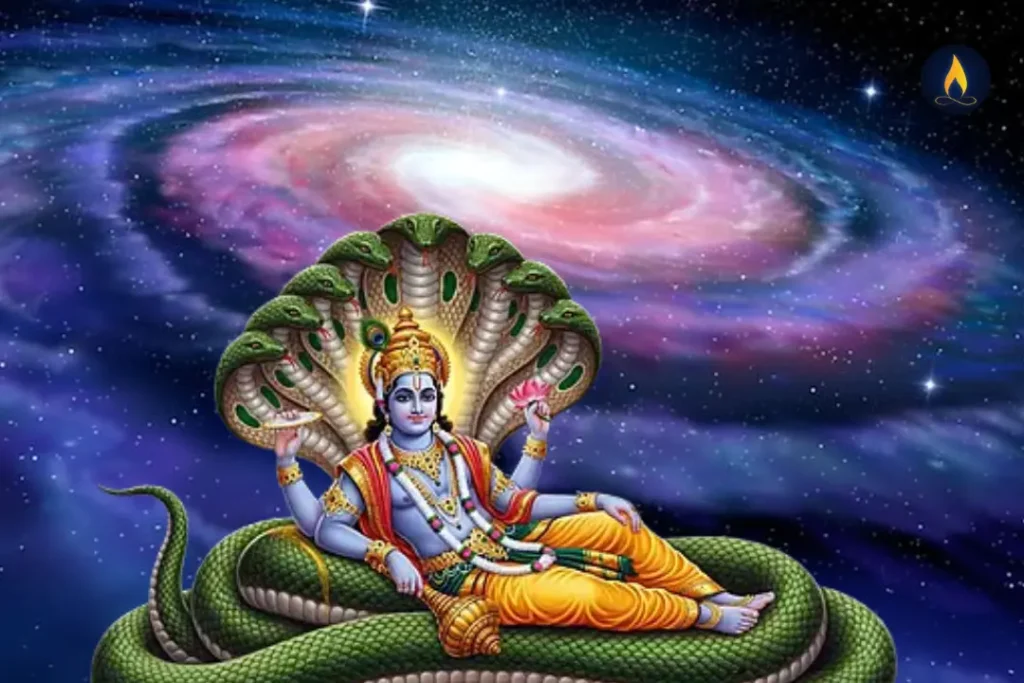
This Tithi is deeply connected to Lord Vishnu, and people born on this day or observing its rituals are believed to carry special spiritual energy.
Let’s dive into the meaning, personality traits, spiritual value, and 2025 dates of Dwadashi Tithi—in simple, heart-touching language.
What is Dwadashi Tithi?
- Tithi Number: 12th day in the lunar cycle
- Occurs: Twice every month—once in Shukla Paksha (waxing moon) and once in Krishna Paksha (waning moon)
- Sun–Moon Angle: 144° to 156°
- Elemental Energy: Restorative, expansive, devotional
- Deity: Lord Vishnu & His various forms (especially Narayana)
- Planetary Influence: Jupiter (Guru) – knowledge, balance, growth
Dwadashi Tithi Meaning in Vedic Astrology
Dwadashi comes from “Dwa” (two) + “Dasha” (ten) = 12th. It represents:
- The closing of spiritual cycles
- The gentle return to worldly duties, with divine remembrance
- A perfect time for bhakti, forgiveness, and making peace
It’s also the ideal day to end Ekadashi fasting, offer Dwadashi Parana, and remember the kindness of the universe.
Shukla Dwadashi Meaning – Light, Abundance, and Vishnu’s Favor
Shukla Dwadashi happens in the waxing Moon phase, when lunar energy is rising. This version of the Tithi supports:
- New spiritual routines
- Acts of charity and daan
- Offerings to Tulsi plant
- Ending fast with sattvic meals and gratitude
Ideal for:
- Visiting temples or rivers
- Tulsi seva or Vishnu puja
- Starting devotional readings (like Bhagavatam)
Krishna Dwadashi Meaning – Letting Go, Healing, and Karmic Closure
Krishna Dwadashi appears in the waning Moon phase—energy is gentler, reflective. This version supports:
- Forgiveness rituals
- Offering water to ancestors or Pitru devtas
- Inner release and self-acceptance
Good for:
- Emotional cleansing
- Feeding animals or giving daan
- Journaling, mantra japa, or quiet walks
Personality Traits – Dwadashi Tithi Born People
People born on Dwadashi Tithi often have a pure, giving, and sattvic nature. Their lives are deeply touched by dharma and spiritual grace.
Shukla Dwadashi Born:
- Calm, charitable, emotionally wise
- Naturally inclined toward devotion and service
- Good counselors, teachers, or caretakers
- Tend to attract spiritual mentors easily
Krishna Dwadashi Born:
- Deep thinkers, karma-healers
- Sometimes introverted, but very spiritually mature
- Often face early challenges that lead to emotional growth
- Great at releasing attachments and walking their own path
Both types are blessed by Lord Vishnu and protected from major karmic harm when they stay on the path of truth.
Dwadashi Parana – How to Break Ekadashi Fast Properly
The Parana (breaking of fast) must be done on Dwadashi Tithi—not before or after.
Read here: Role of Tithis in Vedic Astrology
What to eat after Ekadashi on Dwadashi:
- Sattvic foods: fruits, rice, ghee, cooked vegetables
- Avoid onion, garlic, and tamasic items
- Offer food first to Vishnu or Tulsi plant if possible
- Thank the divine with a simple prayer or water offering
A good mantra for Dwadashi morning:
“Om Namo Bhagavate Vasudevaya”
Dwadashi Tithi 2025 Dates – Shukla & Krishna Dwadashi Calendar
| Month | Shukla Dwadashi | Krishna Dwadashi |
| January | Jan 20 (Putrada) | Jan 6 |
| February | Feb 18 (Jaya) | Feb 5 |
| March | Mar 19 (Amalaki) | Mar 6 |
| April | Apr 18 (Kamada) | Apr 5 |
| May | May 17 (Mohini) | May 4 |
| June | Jun 15 (Apara) | Jun 2 |
| July | Jul 14 (Shayani) | Jul 1 & 31 |
| August | Aug 13 (Kamika) | Aug 30 |
| September | Sep 11 (Parshva) | Sep 28 |
| October | Oct 11 (Papankusha) | Oct 28 |
| November | Nov 9 (Prabodhini) | Nov 26 |
| December | Dec 8 (Utpanna) | Dec 26 |
Use a Panchang or Nepali calendar to check your local sunrise and Parana time for each Dwadashi Tithi 2025.
Dwadashi Rituals – How to Observe with Simplicity
You don’t need elaborate rituals. Even simple devotion counts!
What to do:
- Wake up early, take a bath, wear clean clothes
- Offer water to Tulsi plant or light a ghee lamp
- Chant Vishnu Sahasranama or Gita shlokas
- Do Daan – food, fruits, clothes, or money to needy
- End your fast with peace and prayer
Many people also give water to cows, or feed crows, symbolizing respect for all life.
Ideal Practices on Dwadashi
- Wake up early, take a cleansing bath, wear clean clothes
- Offer Tulsi water or leaves, light a ghee lamp
- Recite Vishnu mantras, Sahasranama, or Gita verses
- Perform Parana during correct muhurta
- Share food, donations, or sweets with needy
- Avoid gossip, negativity, or harsh intentions
- End with gratitude prayer: “Om Namo Bhagavate Vasudevaya”
Small efforts, pure devotion = divine grace.
Sanskrit Shloka for Dwadashi
**“एकादश्यां उपोष्य यः, विष्णोः पूजां करोति सः।
सर्वपापविनिर्मुक्तो, विष्णुलोकं स गच्छति॥”**
Meaning: One who observes Ekadashi and worships Lord Vishnu, and then properly breaks fast on Dwadashi, is freed from all sins and gains the eternal abode of Vishnu.
This highlights how Dwadashi ties discipline with devotion and divine reward.
Benefits & Significance of Dwadashi
- Seals spiritual discipline with love and nourishment
- Invites blessings from Vishnu and ancestors
- Fortifies discipline, balance, and mental harmony
- Ideal for religious rites, Griha Pravesh, charity, and spiritual ceremonies
Connection to Tulsi and Vishnu
Tulsi Devi is deeply connected to Dwadashi. It is believed:
“Where Tulsi is offered, Vishnu resides.”
That’s why many people do Tulsi Vivah, Tulsi Puja, or Dwadashi Tulsi Snan on this day. It invites blessings of prosperity, healing, and spiritual peace.
Key Takeaways
- Dwadashi Tithi is the 12th lunar day—sacred, sattvic, and healing
- Shukla Dwadashi supports growth and gratitude
- Krishna Dwadashi supports letting go and inner peace
- Fasting ends on this day, with special Parana rituals
- Ideal day for Vishnu worship, Tulsi puja, and charity
- People born on Dwadashi are often deeply spiritual and protected
- Dwadashi Tithi 2025 includes 24 beautiful dates for devotion
FAQs
Q1: What is Dwadashi Tithi?
→ It’s the 12th lunar day in Hindu calendar, considered auspicious for spiritual completion and Vishnu bhakti.
Q2: Is Dwadashi good for starting new things?
→ Shukla Dwadashi is great for mild beginnings; Krishna Dwadashi is better for internal healing, not external launches.
Q3: What if I miss Ekadashi fasting? Can I still observe Dwadashi?
→ Yes. Dwadashi is still sacred. You can perform Tulsi puja, daan, and offer prayers.
Q4: What is Dwadashi Parana?
→ Parana means ending a fast. It must be done on Dwadashi, at the correct time never before.
Q5: What foods should be avoided on Dwadashi?
→ Avoid meat, alcohol, garlic, onion, and grains if continuing fasting mode. Sattvic foods are best.
Q6: Can children or elders observe Dwadashi fasting?
→ Yes, in light form like avoiding spicy or non-veg food, and doing Tulsi puja or mantra japa.
Read here: Moon in Astrology: It’s overall Impact