Spiritual tourism has become one of the most meaningful travel trends of recent years. More than sightseeing, it invites travelers to explore legends, traditions, and the sacred essence of the places they visit. Whether it’s meditating in Himalayan hermitages, walking through centuries-old temples, or connecting with ancient philosophies, spiritual tourism opens a pathway to deeper understanding of one’s own identity and beliefs.
In this article, we explore what spiritual tourism truly means, how it enhances personal well-being, and some of the most inspiring destinations to begin your spiritual journey.
What is Spiritual Tourism?
Before understanding spiritual tourism, we must know what tourism means. According to the International Union of Official Travel Organizations, tourism simply refers to traveling away from one’s home for non-business reasons.
Spiritual tourism, on the other hand, goes much deeper. It focuses on emotional, cultural, and spiritual fulfillment. People travel to temples, monasteries, meditation centers, shrines, and peaceful natural places to find clarity, calmness, and a sense of connection.
In many Asian countries including Nepal, India, Thailand, and Vietnam spirituality is part of everyday life. Nepal especially has a strong tradition of using astrology to choose auspicious dates (sait) before starting a spiritual journey. This blend of faith, culture, and cosmic belief makes spiritual tourism even more meaningful.
Planning a spiritually aligned journey? Book a personalized consultation to choose auspicious dates and destinations.
Spiritual Travelers: What Should You Consider?
In many cultures, spiritual tourism has existed for centuries. But with rising global interest in mindfulness and wellness, it has gained significant attention.
Choosing a spiritual journey requires some preparation:
Respecting Culture and Dress Codes
When visiting temples, monasteries, mosques, or shrines in Asia, modest dress is usually required. Shoulders and knees should be covered to show respect and avoid offending local traditions.
Photography Restrictions
Many spiritual sites restrict photography or prohibit flash. Even when allowed, it’s important to remain respectful in sacred spaces.
Donations
Offering donations helps maintain spiritual sites and their surroundings. Even small contributions help preserve these cultural treasures.
Time for Reflection
Spiritual tourism is not about rushing. Spend a few quiet minutes at each site, absorbing the atmosphere and connecting to the energy of the place.
Benefits of Spiritual Tourism
Spiritual tourism is more than visiting holy places. It helps people grow from the inside. Travelers experience meaningful benefits such as:
Inner Peace and Mental Clarity
Sacred sites, monasteries, meditation caves, and peaceful natural surroundings help calm the mind.
Travelers often experience a deep sense of relaxation, reduced stress, and emotional healing. Spending quiet time in holy places encourages reflection and mental clarity.
Cultural Understanding and Respect
Spiritual tourism allows visitors to explore centuries-old traditions, rituals, and beliefs.
Meeting monks, participating in prayer ceremonies, or observing local customs helps travelers appreciate cultural diversity and spiritual values across different countries.
Personal Growth and Self-Discovery
Many people travel spiritually to find answers, direction, or a deeper purpose.
Immersing in meditation retreats, philosophy teachings, or spiritual practices leads to insights about one’s emotions, identity, and life goals.
Physical and Emotional Healing
Practices like meditation, yoga, chanting, nature walks, and mindfulness have proven health benefits.
Travelers often feel emotionally lighter, physically healthier, and more connected with their inner selves after such journeys.
Break from Routine and Digital Overload
Sacred sites naturally encourage people to step away from screens, technology, and city chaos.
This digital detox helps rejuvenate the mind, improves focus, and brings back balance to daily life.
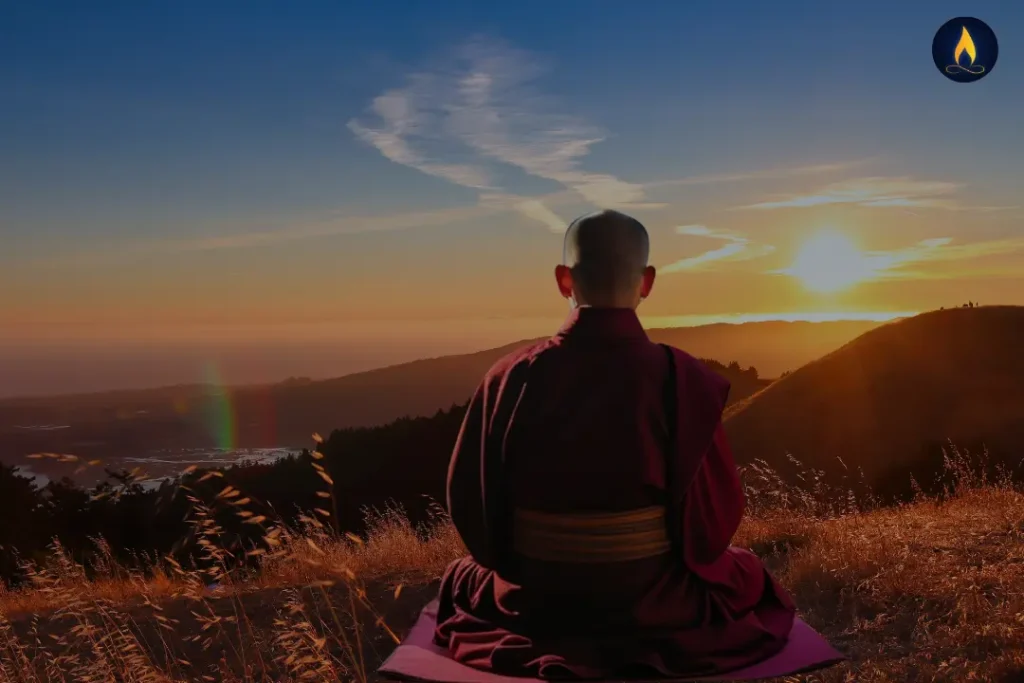
Types of Spiritual Tourism
Because cultures and beliefs vary across countries, spiritual tourism can take different forms. Most journeys fall into three categories:
Astro Tourism
Astro tourism combines travel with astrology, helping travelers choose auspicious dates and destinations for their spiritual journeys. This practice is believed to enhance personal alignment, clarity, and positive energy during the trip.
Many travelers consult astrologers to select auspicious travel dates and rituals.Book an astrology consultation here
Yoga & Wellness Tourism
Yoga and wellness tourism focuses on practices like yoga, meditation, mindfulness, and holistic healing. Travelers engage in retreats and workshops to rejuvenate the body, mind, and spirit.
Pilgrimage
Pilgrimage involves visiting sacred sites such as temples, shrines, and holy rivers to seek blessings and spiritual growth. These journeys often provide a sense of purification, reflection, and connection to one’s faith.
Cultural Immersion
Cultural immersion lets travelers participate in local rituals, festivals, and spiritual traditions. It helps visitors develop respect, understanding, and a deeper connection to the community’s beliefs.
Nature-Based Spirituality
Nature-based spirituality emphasizes connecting with the spiritual energy of natural landscapes like mountains, rivers, forests, and lakes. Quiet reflection, meditation, and mindful walks in these spaces foster inner peace and renewal.
Possible Risks in Spiritual Tourism
While meaningful, spiritual tourism also has challenges:
- Overcrowded sites during festivals
- Commercialization of sacred items
- High prices for ritual offerings
- Chances of pickpocketing in crowded areas
- Long queues for important shrines
Good planning, awareness, and guidance can help avoid these problems.
Key Takeaways
- Spiritual tourism goes beyond sightseeing by focusing on inner peace, self-discovery, and meaningful cultural connection.
- It helps improve mental clarity, emotional well-being, and personal growth through reflection and spiritual practices.
- Travelers should respect local cultures, traditions, and sacred rules while visiting spiritual destinations.
- Different forms of spiritual tourism include pilgrimage, astro tourism, yoga and wellness travel, cultural immersion, and nature-based spirituality.
- While challenges like overcrowding and commercialization exist, careful planning ensures a peaceful and enriching spiritual journey.
If you’re seeking personalized spiritual guidance before starting your journey, a consultation can help align your travel with your inner purpose.
Don’t miss our latest updates—follow us on Instagram and TikTok!
FAQs
Which places are best for spiritual awakening?
Lumbini, Pashupatinath, Muktinath (Nepal), Rishikesh, Varanasi (India), Koyasan (Japan), Machu Picchu (Peru), and Chiang Mai temples (Thailand) offer serene surroundings and spiritual practices for inner peace.
What are cool places for a spiritual trip?
Temples, monasteries, meditation retreats, and sacred natural sites like Fushimi Inari (Japan) or Wat Pho (Thailand) are perfect for reflection and calm.
What is a spiritual tour?
A spiritual tour is a journey to sacred sites and practices that nurture self-discovery, inner peace, and personal growth.
What are the examples of spiritual tourism?
Visiting temples, meditation centers, attending rituals, yoga retreats, and planning trips with astrology for auspicious timing.
Can astrology enhance spiritual tourism experiences?
Many travelers use astrology to choose auspicious dates or locations for their journeys. This adds an extra layer of personal alignment and spiritual meaning to the trip.